


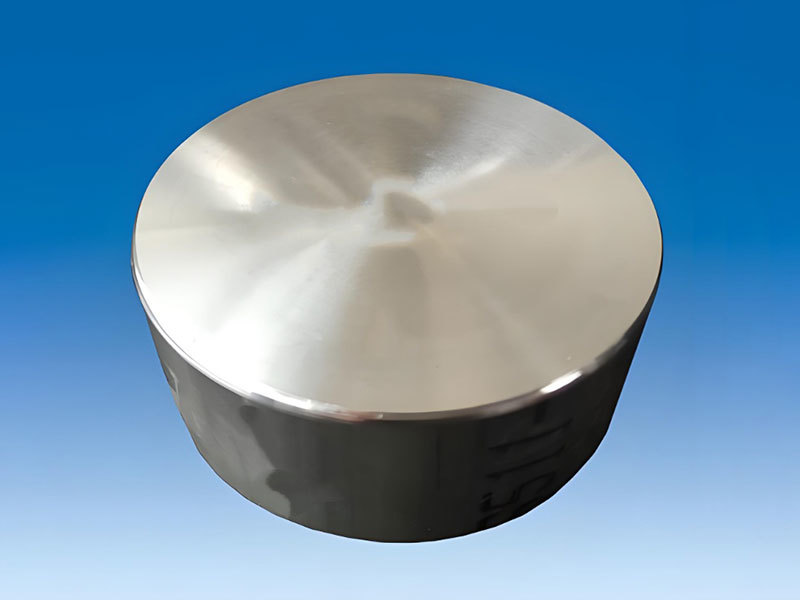
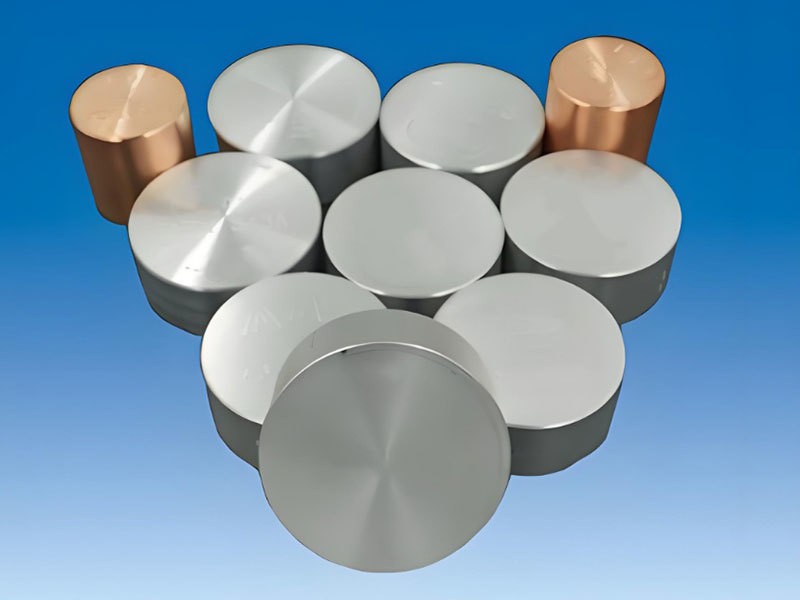
Alloy Standard Sample
Product Category:
Keywords: Nickel-based alloys
Email:
Product Introduction
Aluminum alloy standard samples, also known as aluminum alloy standard substances or aluminum alloy standard specimens, are professionally customized for various grades of cast aluminum alloy spectral standard samples. They come with a composition catalog and product certificate, used for spectroscopic analysis comparison in laboratories, etc. The sample block is cylindrical, with specifications of Φ50X30mm or customized. This standard sample is suitable for the analysis of elements such as Si, Fe, Cu, Mn, Mg, Zn, Cr, Ni, Pb, Sn, Sr, and Ca in cast aluminum alloy samples. Single pieces can also be selected as control samples or high/low standard samples.

Related Products

Aluminum alloy standard samples, also known as aluminum alloy standard substances or aluminum alloy standard specimens, are professionally customized for various grades of cast aluminum alloy spectral standard samples. They come with a component catalog and product certificate and are used for spectrographic analysis comparison in laboratories, etc.
300 series stainless steels such as 304, 316L, and 317L, which are resistant to atmospheric or seawater corrosion; austenitic stainless steels such as 904L and 254SMO, which have stronger corrosion resistance; duplex steels such as 2205 and 2507; nickel-based Corrosion-Resistant Alloys mainly include Hastelloy and Ni-Cu alloys, which have resistance to stress corrosion cracking caused by chloride ions in strongly reducing corrosive environments and complex mixed acid environments.
300 series stainless steels such as 304, 316L, and 317L, which are resistant to atmospheric or seawater corrosion; austenitic stainless steels such as 904L and 254SMO, which have stronger corrosion resistance; duplex steels such as 2205 and 2507; nickel-based Corrosion-Resistant Alloys mainly include Hastelloy and Ni-Cu alloys, which have resistance to stress corrosion cracking caused by chloride ions in strongly reducing corrosive environments and complex mixed acid environments.
300 series stainless steels such as 304, 316L, and 317L, which are resistant to atmospheric or seawater corrosion; austenitic stainless steels such as 904L and 254SMO, which have stronger corrosion resistance; duplex steels such as 2205 and 2507; nickel-based Corrosion-Resistant Alloys mainly include Hastelloy and Ni-Cu alloys, which have resistance to stress corrosion cracking caused by chloride ions in strongly reducing corrosive environments and complex mixed acid environments.
Online Message
You can leave your comments and suggestions here, and we will reply in time.
QHBD
Address: Luoyang City, Yiyang County Industrial Cluster
Email:luoyangqhbd@126.com
© 2025 Luoyang Qihang Bida Technology Co., Ltd. This website supports ipv6